
42°N, 35°W Nearing the Azores, Oil, Rust and Encaustic on Steel and Walnut

Detail: Surface Quality of 42°N, 35°W Nearing the Azores
42°N, 35°W Nearing the Azores, Oil, Rust and Encaustic on Steel and Walnut
Detail: Surface Quality of 42°N, 35°W Nearing the Azores

42°N, 66°W - Oil and Encaustic on Formed Steel - 12" x 12"

40°N, 70°W - Oil and Encaustic on Formed Steel - 12" x 12"
These are the first in a series of paintings based on the route of the whale ship Essex before its disastrous sinking by an aggressive sperm whale off the western coast of South America. If you have google earth check out this virtual tour of their path. I made a quick video of how the supports were made for these two new paintings.
(Couldn’t resist those cheesy apple sound bites!)

The Specimen
So I was out watering the garden today when I heard a loud rustling in the grass. To my surprise a wasp was going to town on a large white moth with black spots. I rushed in for my camera and tripod and captured the 5+ minute battle (massacre) on tape, here it is condensed for your study! I am trying to find out if the wasp was merely after a late Tuesday breakfast or if it was trying to find a home for its little wasplets. I identified the moth as a Leopard Moth, male due to its yellow banding, and the wasp I believe is just a common wasp, which I think are not parasitic. I posted it to “Ask a Biologist” to see if they can give me the ringside details. In certain moments it looks like the wasp is stinging the moth, in another about half way through the video the wasp goes to the moths underside and begins to chew it in half. In any case, I kept the moth, post mortem and post wasp snacking, for study to see if anything occurs. I am certainly glad that wasps are not big enough to eye me up for lunch.

-Photo credit: Michelle Bright
Last week, Michelle and I went to a beach below the Town Lake Dam on the Colorado River. She was photographing the refraction of light in water in relation to depth for a project about hot springs.
So I set about looking for neat objects and stumbled on a lime stone fossil of what I believe is an Ammonite from some 251 – 65 million years ago! Based on its shape I thought it was a ancestor of the Nautilus, turns out its not. Its one of the earliest cephalopods in the phylum Mollusca,who’s lineage is now extinct. Needless to say, I spent the next hour or so scouring for more fossils. Alas, I was only to find patches of crumbling limestone with the occasional partial shell of some tasty clam of the past. Nothing to warrant exhuming from its rocky confines.
Below are a few pictures of the fossil after I found it and after I cleaned it out only to discover more rounded sawtooth ridges which helped me identify its likely time of existence.


The ridges are called sutures. Read the description below and pick which one you think it is, if enough people agree than we probably picked the right one!
Three major types of suture patterns in Ammonoidea have been noted.
Suture patterns:
Post your guesses!!
Back in July, during my month long stay in VA I took up wood cutting. Since that time I have been working on a series of prints that are based off of 1592 spanish map engravings of sea monsters. Through the series I’ll be progressively cutting prints to look more and more like what creatures those bewildering 1592 sea monsters might actually be. The pictures above are all working proofs.
I am also working on a collection of small prints that I am creating En plein air of different locations around the Austin area. My first was Krause springs, working vigorously for an hour on site and enjoying some cold water swimming! You can see it in the pictures as the smaller print in the top right corner. This collection will either be bound as a book or possibly printed as one large print made up of however many blocks I decide is enough.
So far it has been a lot of fun and I am learning wood cutting fast. I am a bit disappointed that while I learned a lot from Dan Miller, that I was too busy painting and etching during graduate school to take advantage of his woodcut classes. Anyway, I am enjoying the process now and its fun to teach yourself something new after 6+ years of art schooling.
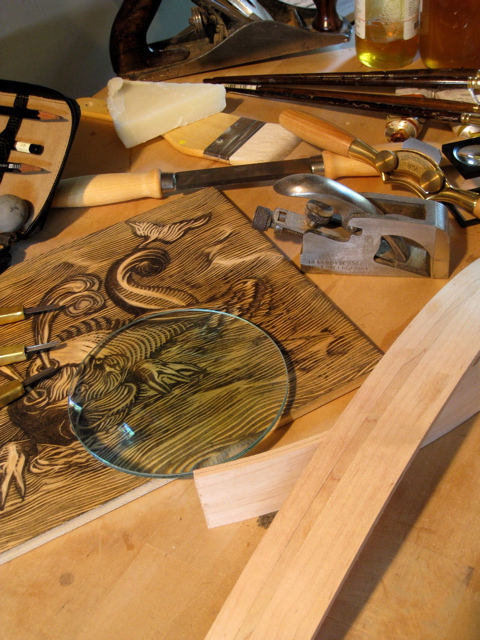
My latest projects:
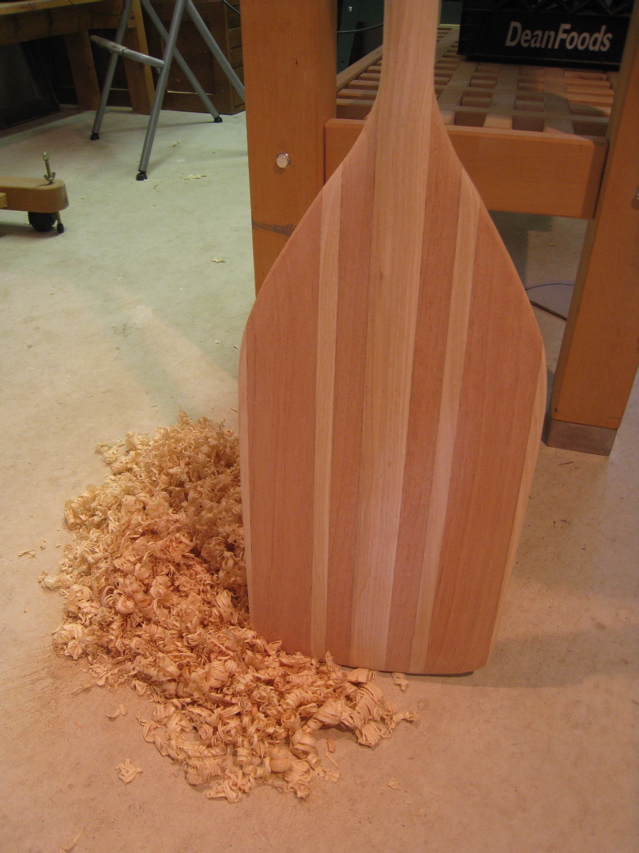

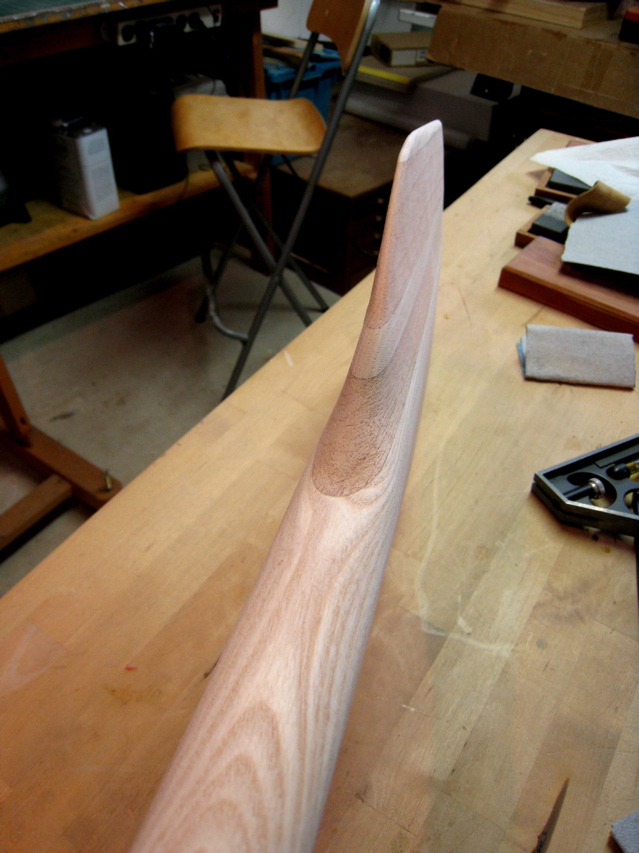

Keep an eye on later posts to see how they progress!
 the benthos